US Orders 65 Textron MSFV Armored Vehicles for Ukraine to Counter Mine and IED Threats
-
| Defense Systems Analyst

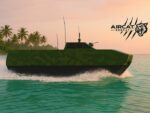
The United States has placed an order for 65 Mine-Resistant Ambush Protected (MRAP) vehicles—specifically the Mobile Strike Force Vehicle (MSFV) variant from Textron Systems—for delivery to Ukraine. The acquisition is part of ongoing US support through the Foreign Military Financing (FMF) program and aims to improve survivability of Ukrainian forces operating in high-threat environments marked by widespread use of mines and improvised explosive devices (IEDs).
Textron’s MSFV: A Combat-Proven MRAP Platform
The Mobile Strike Force Vehicle is a derivative of the M1117 Armored Security Vehicle (ASV), originally developed by Textron Marine & Land Systems. Designed with lessons learned from asymmetric conflicts in Iraq and Afghanistan, the MSFV provides enhanced protection against small arms fire, artillery fragments, mines, and IEDs while maintaining tactical mobility.
Key features of the MSFV include:
- Protection: V-shaped hull for blast deflection; STANAG Level 3 armor protection; optional RPG nets or add-on armor kits.
- Mobility: 4×4 wheeled chassis with independent suspension; capable of off-road maneuvering in rugged terrain.
- Armament: Configurable weapon stations including manned turrets or remote weapon systems (RWS); typically armed with a .50 cal machine gun or Mk19 grenade launcher.
- Crew capacity: Typically accommodates a crew of three plus up to six dismounts depending on configuration.
The MSFV was initially fielded by Afghan National Army units under US funding programs starting in 2012. It has since proven effective in counterinsurgency operations due to its balance between protection and mobility. The current order for Ukraine likely draws from existing production lines or refurbished stock previously used by partner nations.
Procurement Details: FMF-Funded Acquisition for Ukraine
The acquisition is being funded through the US Department of State’s Foreign Military Financing (FMF) program—a key mechanism through which Washington provides defense articles and services to allied nations. According to a September 2025 contract announcement by the US Department of Defense (DoD), Textron Systems received a $245 million firm-fixed-price contract for delivery of various armored vehicles including the MSFV variant.
This order includes:
- 65 Mobile Strike Force Vehicles configured for personnel transport and route patrol roles
- Spares packages including tires, armor panels, and powertrain components
- Field service representative support for training Ukrainian crews in operation and maintenance
The contract is expected to be completed by mid-2026. Delivery timelines have not been officially disclosed but could follow accelerated schedules similar to previous emergency aid packages.
Operational Context: Countering Russian Mine Warfare Tactics
The battlefield environment in eastern and southern Ukraine has become increasingly saturated with anti-tank mines, booby traps, and roadside IEDs as Russian forces attempt to slow Ukrainian mechanized advances. According to recent assessments by NATO’s Joint Analysis & Lessons Learned Centre (JALLC), minefields remain one of the most lethal threats facing Ukrainian infantry and light armored units during offensive operations.
The introduction of MRAP-class platforms like the MSFV aims to mitigate these threats by providing blast-resistant mobility during patrols, logistics convoys, medevac missions, or engineer breaching operations. While heavier tracked platforms such as Leopard 2A6 tanks offer superior firepower and frontal armor protection, they lack flexibility in urban or semi-permissive environments where ambushes are common.
The MSFV’s lighter footprint makes it well-suited for rapid reaction forces or National Guard formations tasked with stabilization missions behind front lines—roles where survivability against IEDs remains critical but full-scale tank support may be unavailable.
Diversifying Ukraine’s Protected Mobility Fleet
This latest procurement adds another layer to Ukraine’s increasingly heterogeneous armored vehicle fleet. Since early 2022, Kyiv has received a wide range of protected mobility platforms from Western donors including:
- M1224 MaxxPro MRAPs from Navistar Defense via EDA transfers
- Mastiff/Wolfhound vehicles from the UK Ministry of Defence
- BMC Kirpi MRAPs donated by Türkiye
- Ashok Leyland Mine Protected Vehicles (MPVs), reportedly supplied via third-party intermediaries
This diversity presents logistical challenges but also offers operational flexibility across different mission sets. The MSFV fills a niche between heavier MRAPs like MaxxPro—which face limitations on narrow roads—and lighter tactical vehicles such as Humvees or pickup-based technicals that lack adequate blast protection.
Sustainment Considerations and Training Support
A key aspect of this delivery will be sustainment planning. Unlike legacy Soviet-era BTR variants still used widely across Ukrainian brigades, Western-supplied MRAPs require tailored maintenance regimes involving specialized parts chains and trained mechanics. To address this issue proactively:
- The FMF-funded package includes field service representatives embedded with Ukrainian units during initial deployment phases.
- Sustainment kits will include high-failure-rate components such as suspension arms, brake systems, electrical harnesses, etc.
- A potential long-term depot-level maintenance partnership may be established at one of Ukraine’s state-owned repair facilities such as Ukroboronprom’s Kyiv Armored Plant or Lviv Repair Plant.
This mirrors previous efforts undertaken with JLTV deliveries earlier in the year where training cycles were conducted jointly with US Army Europe instructors at Grafenwoehr Training Area prior to fielding inside Ukraine.
Strategic Implications: Enhancing Survivability Without Escalation Risk
The provision of MRAP-class vehicles like the MSFV represents a low-escalation yet high-impact capability transfer that aligns with Washington’s strategic calculus—enhancing Ukrainian force protection without crossing thresholds associated with offensive strike systems like ATACMS or fighter aircraft. It also reflects growing recognition that attrition warfare now hinges not only on firepower but also on survivability under persistent drone surveillance and indirect fire threats.
If successfully integrated into combined arms formations alongside demining teams equipped with remote-controlled engineering assets (e.g., Wisent mine-clearing tanks), these platforms could substantially reduce casualties during breach-and-clear operations along fortified Russian defensive belts such as those seen near Robotyne or Kreminna sectors.
Conclusion: A Targeted Capability Boost Amid Protracted Conflict
The delivery of Textron’s MSFVs marks another step in adapting Ukraine’s ground force structure toward modern survivability standards amid an evolving threat landscape dominated by mines and asymmetric ambush tactics. Whether this batch proves sufficient—or requires scaling up—will depend on battlefield outcomes over winter-spring campaigns heading into mid-2026 when deliveries conclude. For now, it underscores continued Western commitment not just in firepower but also force preservation capabilities essential for sustaining combat effectiveness over time.
Sources
- “Textron awarded $245M contract for armored vehicles”, U.S. DoD Contract Announcements – September 2025.
https://www.defense.gov/News/Contracts/ - “World Defence News Blogspot article” – September 2025
http://worlddefencenews.blogspot.com/2025/09/us-orders-65-textron-msfv-armored.html