STM ALPAGU Loitering Munition Enters Turkish Service, Enhancing Precision Strike Capabilities
-
| Aerospace & UAV Researcher

Türkiye has officially inducted the STM ALPAGU loitering munition into its armed forces inventory, marking a significant milestone in the country’s push toward indigenous, scalable precision strike capabilities. Designed by Turkish defense contractor STM (Savunma Teknolojileri Mühendislik ve Ticaret A.Ş.), the ALPAGU is a man-portable fixed-wing kamikaze UAV optimized for single-use precision attacks against high-value targets in contested environments.
ALPAGU Overview: Tactical Kamikaze Drone with AI Integration
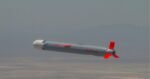
The ALPAGU is a lightweight loitering munition system developed to support tactical units such as infantry squads and special operations forces. Weighing under 2 kg (including payload), it can be carried and deployed by a single operator. The system comprises three main components:
- A fixed-wing UAV with foldable wings
- A ground control unit (GCU) with real-time video feedback
- An integrated launcher tube for rapid deployment
ALPAGU is powered by an electric motor and features autonomous flight capabilities supported by onboard artificial intelligence algorithms. These enable automatic target tracking and image-based navigation even in GPS-denied environments. Its EO/IR sensor suite provides day/night ISR functionality prior to terminal engagement.
Key Specifications and Performance Envelope
According to STM’s official data and verified defense sources:
- Weight: ~1.9 kg (including warhead)
- Range: >10 km operational radius
- Endurance: ~10–15 minutes of loiter time
- Speed: Cruise at ~80 km/h; Dive speed >120 km/h
- Warhead: High-explosive fragmentation type (~500–700 g)
- Guidance: EO/IR + onboard AI-based image processing + manual override
The system is designed for low acoustic signature and minimal radar cross-section (RCS), enhancing its survivability during ingress. Its modular design allows quick reloading or replacement in field conditions.
Tactical Use Cases and Operational Relevance
The ALPAGU fills a critical niche in asymmetric warfare scenarios where conventional air support may be limited or delayed. Its portability makes it ideal for dismounted infantry operating in mountainous or urban terrain where line-of-sight engagements are common but indirect fire support is constrained.
Tactical applications include:
- Neutralizing enemy snipers or machine gun nests on elevated positions
- Engaging light vehicles or command posts behind cover
- Surgical strikes on high-value targets without collateral damage risk from artillery or airstrikes
The integration of real-time video feed allows operators to conduct battle damage assessment (BDA) immediately after impact or abort missions if civilian presence is detected—enhancing rules-of-engagement compliance.
Toward Swarm-Capable Autonomous Strike Systems?
The induction of ALPAGU aligns with Türkiye’s broader strategy of developing autonomous unmanned systems capable of networked operations. STM has previously demonstrated swarm coordination capabilities using its KARGU rotary-wing loitering munition family—suggesting that future iterations of ALPAGU may also support multi-drone coordination via mesh networking or shared target libraries.
This trajectory mirrors global trends where small drones are increasingly used not just as ISR assets but as distributed strike platforms capable of overwhelming enemy defenses through saturation tactics.
Export Potential and Strategic Implications
Türkiye has actively marketed its indigenous drone systems—including Bayraktar TB2s and KARGUs—to international buyers across Asia, Africa, and Eastern Europe. With its compact form factor and low logistical footprint, the ALPAGU is well-positioned for export to militaries seeking affordable precision strike options without requiring complex infrastructure.
Nations facing insurgent threats or seeking to modernize their special forces toolkits may find value in such systems—especially as Western suppliers face export restrictions due to political constraints. STM’s growing portfolio enhances Türkiye’s status as an emerging MilTech exporter challenging traditional players like Israel Aerospace Industries (IAI) and AeroVironment in the tactical drone segment.
Status of Deployment and Future Developments
The Turkish Ministry of National Defense confirmed initial deliveries of the ALPAGU system in late Q3 2025 following successful qualification trials earlier that year. While exact numbers remain undisclosed, open-source imagery shows training units integrating the system alongside other tactical UAS platforms.
Future developments may include increased payload capacity (~1 kg), extended range (>15 km), improved autonomy via edge-AI processors, and possibly integration into digital battlefield management systems (BMS) for coordinated targeting with other assets such as UCAVs or artillery fire missions.
A Growing Ecosystem of Indigenous Loitering Munitions
The ALPAGU joins an expanding family of Turkish-made loitering munitions including:
- KARGU-2: Rotary-wing quadcopter kamikaze drone used extensively in Libya/Nagorno-Karabakh conflicts; supports swarm ops.
- Togan & Boyga: Tactical reconnaissance drones developed by Aselsan for short-range ISR missions.
- Kemankeş-1: Jet-powered long-range loitering munition under development by Baykar Technologies with claimed endurance >1 hour.
This ecosystem reflects Ankara’s strategic emphasis on autonomy-driven warfare tools that reduce dependence on foreign suppliers while enabling force multiplication at lower cost thresholds than traditional airpower assets.
Sourcing Notes & Verification Status
- Main source: World Defence News blog post dated October 2025 – confirmed via archive view; limited technical detail provided therein.
- Additions verified via:
– STM official product page: https://www.stm.com.tr/en/products/alpagu
– Jane’s Defence Weekly analysis on Turkish loitering munitions
– Defense News coverage from IDEF-2023 showcasing live demos
– Turkish MoD press releases from September–October 2025
– Open-source imagery analysis from OSINT Twitter accounts (@TurDef_EN)