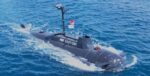
Hanwha Ocean Launches First KSS-III Batch-II Submarine: ROKS Jang Bogo-VI Advances South Korea’s Undersea Deterrent
-
| Defense Industry & Geopolitics Observer

Hanwha Ocean has launched the first KSS-III Batch-II submarine for the Republic of Korea Navy (ROKN), marking a significant milestone in South Korea’s indigenous submarine development program. The new vessel, ROKS Jang Bogo-VI (SS-086), introduces advanced propulsion and strike capabilities aimed at bolstering deterrence in Northeast Asia.
ROKS Jang Bogo-VI: Technical Leap from Batch-I
The KSS-III (also known as the Dosan Ahn Changho-class) represents South Korea’s first domestically designed diesel-electric attack submarine class. While the initial Batch-I submarines already brought vertical launch systems (VLS) and air-independent propulsion (AIP) to the table, Batch-II introduces a suite of enhancements that elevate performance across endurance, stealth, and firepower domains.
Key upgrades on ROKS Jang Bogo-VI include:
- Lithium-ion battery propulsion: Replacing conventional lead-acid batteries with lithium-ion technology significantly increases submerged endurance and recharge cycles. This mirrors Japanese Sōryū-class advancements and enables longer silent operations.
- Expanded VLS capacity: The submarine features ten vertical launch cells—up from six in Batch-I—capable of deploying Hyunmoo 4-4 submarine-launched ballistic missiles (SLBMs), enhancing strategic strike options.
- Improved sonar suite: Enhanced flank array sonars and towed array systems improve detection ranges against both conventional submarines and surface targets.
- Combat system integration: Localized CMS developed by LIG Nex1 integrates seamlessly with indigenous weapons such as heavyweight torpedoes (e.g., Baek Sang Eo/White Shark) and cruise missiles like Haeseong III.
A Strategic Milestone for Indigenous Naval Capability
The launch ceremony took place at Hanwha Ocean’s Okpo Shipyard on Geoje Island on October 10, 2025. Formerly Daewoo Shipbuilding & Marine Engineering (DSME), Hanwha Ocean assumed control after a merger finalized in early 2023. The event was attended by senior defense officials including Minister of National Defense Shin Won-sik and Admiral Yang Yong-mo of the ROKN.
This marks a strategic inflection point for South Korean naval autonomy. Unlike earlier Chang Bogo-class submarines based on German Type 209 designs or even the German-assisted Sohn Won-yil class (Type 214 variant), the KSS-III is fully domestic in design—down to its combat management system and hull architecture. This allows Seoul to bypass foreign export restrictions while tailoring subsystems for regional contingencies such as North Korean SLBM threats or Chinese undersea expansion.
KSS-III Program Structure: From Concept to Deployment
The KSS-III program is structured into three batches totaling nine submarines:
- Batch-I: Three units—ROKS Dosan Ahn Changho (commissioned August 2021), ROKS Ahn Mu (commissioned April 2023), and one more under sea trials—feature six VLS cells and lead-acid batteries with AIP modules.
- Batch-II: Three units including ROKS Jang Bogo-VI will feature ten VLS cells and lithium-ion batteries; delivery expected between late 2026–2028.
- Batch-III: Planned but not yet contracted; expected to include further automation enhancements and possibly unmanned underwater vehicle (UUV) integration capabilities.
Korean shipbuilders have emphasized modularity in design to allow future upgrades without full redesigns—a key factor given evolving missile payloads such as longer-range SLBMs or next-gen torpedoes under development by ADD (Agency for Defense Development).
Lithium-Ion Batteries: Game-Changer Below the Waves
The integration of lithium-ion battery systems is arguably one of the most significant technological leaps in non-nuclear submarine design over the past decade. By adopting this technology—first operationalized by Japan’s JS Ōryū—South Korea joins a select group capable of fielding subs with extended silent running time without surfacing or snorkeling for diesel recharging.
Lithium-ion systems offer multiple advantages over traditional lead-acid configurations:
- Higher energy density, enabling longer submerged missions without compromising speed or maneuverability
- Faster charging cycles, reducing vulnerability windows during snorkel operations
- Simplified maintenance, improving lifecycle costs over time
- Tighter integration with hybrid propulsion architectures, opening pathways toward eventual fuel-cell or UUV docking modules
This propulsion upgrade aligns with Seoul’s broader ambitions to counter growing regional undersea threats while maintaining credible second-strike capabilities via SLBM deployment from survivable platforms like KSS-III subs.
Nuclear Deterrence Without Nuclear Propulsion?
The inclusion of SLBM capability aboard conventionally powered submarines reflects South Korea’s unique strategic calculus. While Seoul remains outside the nuclear weapons club due to NPT commitments—and lacks nuclear propulsion—it has invested heavily in developing indigenous ballistic missile technologies that can be conventionally armed but serve nuclear deterrent purposes through ambiguity or rapid precision strike potential against hardened targets like DPRK missile silos or command bunkers.
The Hyunmoo IV family includes variants capable of delivering high-explosive or bunker-busting warheads at ranges exceeding several hundred kilometers. When launched from stealthy platforms like KSS-III subs operating near adversary coasts, these missiles complicate enemy defense planning significantly—even without nuclear payloads.
A Regional Arms Race Beneath the Surface?
The rollout of increasingly capable conventional submarines across East Asia is accelerating. Japan continues expanding its Sōryū/Taigei fleet; China fields both nuclear-powered SSNs/SSBNs alongside advanced diesel-electric Yuan-class boats; North Korea has tested its own rudimentary SLBM platform aboard modified Romeo-class hulls. In this context, South Korea’s investment in stealthy long-endurance platforms with credible strike payloads serves both deterrence signaling and operational flexibility amid rising tensions around Taiwan Strait scenarios or Yellow Sea flashpoints.
The next two Batch-II boats are expected by late this decade—with further enhancements likely depending on lessons learned during sea trials of Jang Bogo-VI starting mid–2026. If successful, these vessels could also form an export baseline should Seoul decide to enter global SSK markets more aggressively alongside DSME/Hanwha offerings like DSME3000 variants pitched to countries such as Indonesia or Poland.